

Community and Social Impact (CSI)
Advancing Thriving Communities Together Through Shared Power and Authentic Partnership
Community & Social Impact (CSI) advances community-centered systems change by partnering with public agencies to redesign human services with communities through shared power, centering lived experience, strengthening collaboration, and driving meaningful, measurable impact.
Why CSI Matters
Across the country, human services systems are being asked to do more, respond faster, work across sectors, and deliver outcomes that reflect what communities need and value. Many leaders are navigating complex structures, heightened expectations, and legacy approaches while also seeking new ways to deepen community connection, coordination, and impact.
Community & Social Impact (CSI) exists to support public agencies as they build on existing strengths and move toward community-centered transformation. CSI supports leaders in strengthening trust, aligning partners, and building shared accountability with communities to deliver lasting, meaningful impact.
Across these conditions, a common opportunity emerges shifting from siloed or transactional structures toward integrated, community-centered partnership. CSI supports this evolution by helping leaders align systems, partners, and communities around shared purpose, learning, and impact.
The Challenge: Human services systems are often siloed, making it difficult to respond to whole-family and whole-community needs.
CSI’s Value: CSI helps align policy, data, and practice across sectors enabling coordinated, community-centered approaches that work together rather than in isolation.
The Challenge: Too often, systems are designed for communities rather than with them, limiting trust and effectiveness.
CSI’s Value: CSI centers lived experience, shared power, and co-design; supporting authentic partnerships that strengthen belonging and improve outcomes.
The Challenge: Programs frequently address symptoms rather than root causes, leading to limited long-term impact.
CSI’s Value: CSI advances prevention-focused, whole-family strategies that address systemic barriers and create durable pathways to well-being and economic mobility.
The Challenge: Public agencies, community organizations, and funders often operate independently despite shared goals.
CSI’s Value: CSI builds cross-sector collaboration and collective responsibility; mobilizing partners to co-invest in solutions and advance shared, community-defined outcomes.
The Challenge: Traditional measures of success often miss what matters most to communities.
CSI’s Value: CSI supports accountability through evidence and community-defined indicators; ensuring transparency, learning, and continuous improvement.
CSI is supporting states, counties, and communities nationwide in embedding community voice, belonging, and shared stewardship into the fabric of human services.
Our Foundation: Mission, Vision, Purpose & Guiding Principles

Mission
CSI advances community-centered human services transformation by strengthening system capacity, elevating community leadership, and fostering cross-sector collaboration to deliver whole-family, people-centered services.

Vision
A thriving, coordinated human services ecosystem where communities and systems share power, align resources, and co-design solutions that expand belonging, well-being, and economic mobility.

Purpose
CSI catalyzes community-centered innovation by providing evidence-informed strategies and implementation support that help leaders translate policy into practice and achieve measurable, sustainable results.
Guiding Principles
- Human-centered and community-engaged and supported
- Shared power and co-design
- Cross-sector collaboration
- Hope, belonging, and opportunity
- Whole family and community well-being
- Learning, innovation, and continuous improvement
- Accountability through evidence and impact
What CSI Offers: Framework & Support
A Connected Approach to Community-Centered Systems Change
CSI offers a national, community-centered framework paired with hands-on implementation support to help public agencies and community partners align people, policy, data, and practice. Together, the framework and support model guide leaders in redesigning systems with communities; moving from intention to action and achieving measurable, community-defined outcomes.
The CSI Framework provides a shared foundation and common language for systems change by intentionally inviting community members and partners closest to the challenges to co-create solutions. CSI’s implementation support helps partners apply the framework in real-world contexts, adapting strategies to local priorities, capacity, and readiness.
The CSI Framework organizes community-centered systems change around a set of core capabilities that strengthen how systems lead, partner, learn, and deliver results. These capabilities are reflected in CSI’s core components that work together to support transformation across policy, operations, and practice.
Rather than operating as standalone initiatives, each component reinforces the others and can be activated at different levels, based on agency and partner needs, from strategy and planning through implementation and continuous improvement.
Core Components/Drivers
Click on each of the icons below to learn more.

Together, these core components operationalize the CSI Framework supporting leaders and communities in redesigning systems that are more integrated, prevention-focused, accountable, and rooted in lived experience.
How We Work
The CSI Approach: Framework & Support in Practice
CSI partners with public agencies through a practical, partnership-driven approach to community-centered systems change. Our work combines a shared framework with tailored levels of support meeting community partners where they are and deepening engagement over time as capacity, readiness, and goals evolve.
This approach helps partners move from planning to practice, building trust, alignment, and measurable results along the way.
The CSI Partnership Journey
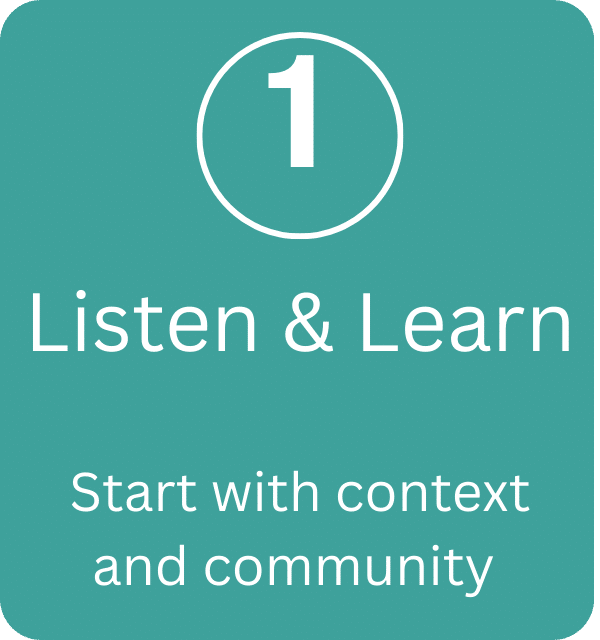
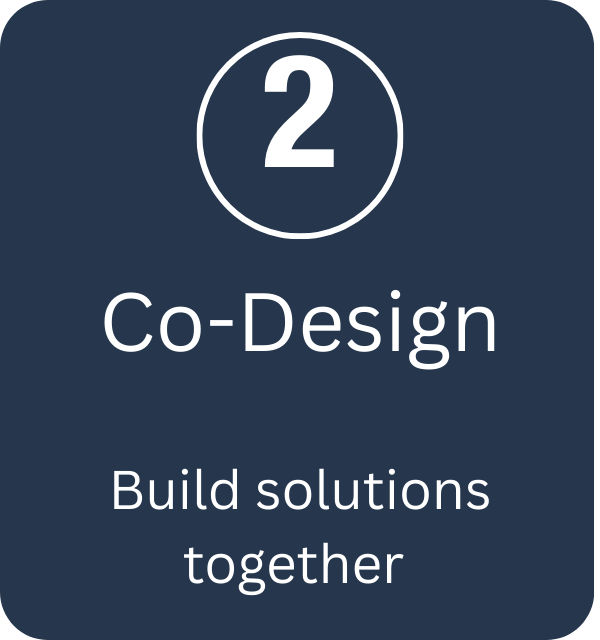
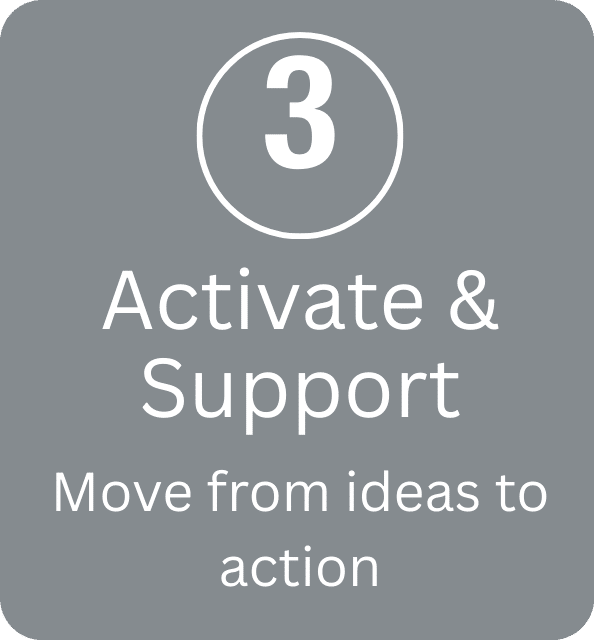
CSI partners with public agencies at different stages of readiness, offering support that can include:
- Framework adoption and shared learning
- Strategy and design support
- Implementation and facilitation
- Learning, evaluation, and adaptation
Engagement may begin at any point in the journey and deepen over time based on local context, capacity, and goals.
Support is:
- Flexible — partners engage where they are
- Scalable — support can deepen as work evolves
- Grounded in community — lived experience and shared power guide every stage
By combining a shared framework with tailored, stage-based support, CSI helps public agencies and its partners move from vision to implementation; strengthening collaboration, embedding community voice, and driving sustainable, community-defined outcomes.
Who We Partner With
Partnership Pathways
For Public Agencies
CSI partners with public agencies to strengthen leadership and capacity, embed community voice, and support the implementation of community-centered systems change across policy, operations, and practice.
What This Looks Like:
- Guidance to adopt and apply the CSI Framework in ways that reflect local context and community priorities
- Training and learning experiences that embed CSI principles into strategy, operations, and frontline practice
- Strategic facilitation to support cross-system alignment, shared goals, and collaborative action
- Tools and support to elevate lived-experience leadership and authentic community partnership
For Funders & Multi-Sector Partners
CSI works with funders and multi-sector partners to align investments, learning, and action in support of community-defined outcomes and sustainable systems change.
What This Looks Like:
- Insight into emerging community needs, promising practices, and system-level trends
- Opportunities to co-invest in community-driven and whole-family innovation approaches grounded in the CSI Framework
- Learning, evaluation, and adaptation of programming that strengthen shared accountability and continuous improvement
- Storytelling and knowledge-sharing that elevate community voice, inform practice, and influence policy
Partnerships are tailored to readiness, context, and goals allowing organizations to engage where they are and deepen collaboration over time.
CSI in Action: Proof and Practice
Real Partnerships. Real Change. Real Community Impact.
CSI’s work comes to life through partnerships with state and local public agencies and national collaborators who are testing new ways of working to strengthen collective action, well-being, hope, and opportunity through community-centered practice.

Together, these efforts show how CSI moves systems from transactional service delivery to transformational community partnership.
CSI Champion Partners
CSI Champion Partners are public agencies and organizations that have adopted the CSI Framework and are putting community-centered systems change into practice. Through their leadership, partnership with communities, and commitment to learning, these partners demonstrate how the framework can be applied in real-world contexts to strengthen collaboration, improve outcomes, and drive lasting impact.
- Jessica Ruffin, Chief Equity Officer, Allegheny County Department of Human Services – Fellows Program
- Dr. Michael A Becketts, Director, Fairfax County Department of Family Services
CoLab for Community Impact
CoLab for Community Impact
A National Community of Practice Strengthening Collaborative Leadership Across Human Services
The CoLab for Community Impact is a national Community of Practice (CoP) that brings together leaders from public agencies, community-based organizations, and national partners committed to advancing equitable, community-centered systems change. Grounded in APHSA’s Community & Social Impact (CSI) Framework, the CoLab provides a dynamic space for shared learning, innovation, and action.
The CoLab strengthens leadership capacity, builds cross-sector partnerships, and supports members in co-creating solutions that improve outcomes for children, families, and communities nationwide.
Our Mission
To strengthen collaborative leadership and accelerate systems change by connecting community-based and public agency leaders in shared learning, innovation, and action—advancing our collective mission of thriving people, thriving communities, and thriving systems.
Our Purpose
CoLab fosters deep collaboration among leaders who are co-creating and testing adaptive strategies to strengthen organizational capacity, improve outcomes, and drive community-centered systems transformation. Members work together to identify emerging needs, shape responsive solutions, and generate learning that informs both local implementation and national policy.
Our Network
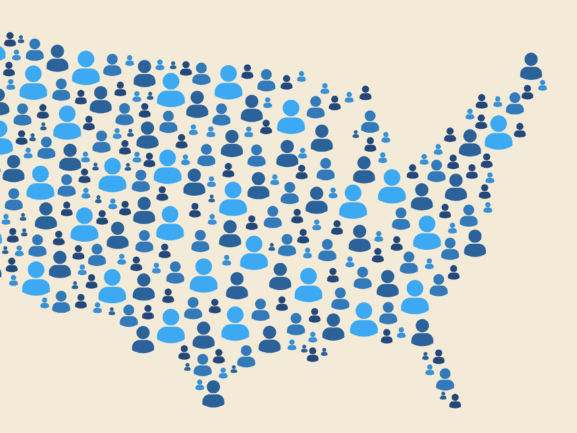
The CoLab connects leaders across 17 states, representing all four U.S. regions—East, Midwest, South, and West. Members include leaders from state and county human services, children and families’ agencies, community-based organizations, and related social service areas, offering diverse policy and practice perspectives. Together, they serve as CSI Champions, modeling collaborative leadership and advancing community-rooted innovation across the human services ecosystem.
National Partnerships

Chapin Hall
Chapin Hall is a national research and evidence-driven center dedicated to improving the well-being of children, youth, and families by partnering with public agencies and community organizations to generate rigorous data and translate insights into equitable systems and practices that strengthen human services.

National Council on Aging (NCOA)
NCOA advances health, financial security, and overall well-being for older adults by empowering community-based organizations with tools, best practices, and resources to improve services and outcomes for diverse aging populations.

National Parent Leadership Institute (NPLI)
NPLI partners with parents, caregivers, and community leaders through programs like the Parent Leadership Training Institute to build civic skills and capacity so families can advocate for children and shape policies, programs, and community-level solutions that improve outcomes and strengthen inclusive, equitable systems.

Morehouse School of Medicine—National African American Child & Family Research Center
Housed within Morehouse School of Medicine, this department and its National African American Child & Family Research Center lead community-engaged, scalable prevention research and practice that advance health equity and justice by co-developing solutions with communities to address complex health and social determinants impacting children, families, and underserved populations.

Hope Science Center The University of Oklahoma
The Hope Research Center at the University of Oklahoma–Tulsa advances understanding of hope as a psychological strength and collaborates with community and service organizations to design, evaluate, and apply hope-centered research that strengthens resilience, improves program outcomes, and informs community-engaged systems change.
Tools & Resources
Practical Guidance to Support Your Transformation Journey
- CSI Framework Overview (PDF)
- “Making Sense of Shrinking Time Margins” article in Policy & Practice magazine’s Winter 2025 issue (PDF)
- Advancing Dr. King’s Vision Through Community and Social Impact (PDF)
Get Involved
Let’s Build Thriving Communities Together
Whether you’re an agency leader, community partner, policymaker, or funder, CSI offers clear pathways to collaborate.
APHSA’s Community & Social Impact work is rooted in belonging, collective action, shared stewardship, and the belief that communities hold the expertise to define their own thriving. Together, we can transform human services into one community at a time.
Meet the CSI Team
Our team brings deep expertise in community partnership, equity-centered design, systems leadership, and belonging. We welcome conversations with leaders committed to building thriving communities.
- Natalie Williams — Vice President, Community & Social Impact
- Karen Walker — Senior Manager, Community & Social Impact