
Written By: Joshua Vaughn, Founder, Vaughn Signatures

The Coordinating SNAP and Nutrition Supports (CSNS) program strengthens access to human services by aligning the Supplemental Nutrition Assistance Program (SNAP) with other nutrition supports. CSNS also works to center individuals with lived experience by giving them a voice through the Community Impact Council (CIC), which guides the funding of innovative projects. The blog post below is part of a series from APHSA that will share insights and stories from each team involved, highlighting the program’s impact on service delivery and community engagement.
Participating as a member of the Community Impact Council (CIC) in Cohort 2 of the Coordinating SNAP and Nutrition Supports (CSNS) program has been an invaluable and empowering journey. It was through my active participation in CSNS that I discovered the profound influence of my own voice.
The CSNS initiative in San Francisco focused on making it easier for residents to access CalFresh, Medi-Cal, and other public benefits by reducing common barriers. Joining forces with a six-member lived experience council gave me the platform to share my insights as we address the critical importance of the Supplemental Nutrition Assistance Program (SNAP), a program which plays such a crucial role in enabling countless individuals and families to access the food and nutrition they need to thrive.
As we discussed community-centered features and engagement strategies, I made proposals that were not only well-received but fully implemented, ensuring the final design genuinely met local needs and priorities. This all-are- welcome approach to constructive feedback from community members like myself directly shaped an effective and successful project framework.
Adding My Voice to the Discussion of Food Security
For me, the journey has been centered around the fundamental need to bring lived experiences to the forefront of policy discussions. Sharing my story and those of others who rely on SNAP has emphasized the challenges faced by many and reinforces the necessity of informed policy transformation.
It became evident through our discussions that incorporating community voices into decision-making enriches the conversation. It also helps ensure that policymakers understand the real-world experiences of the people who rely on these essential services.
It was during the 2025 National Anti-Hunger Policy Conference that my eyes were opened to the interconnectedness of advocacy and on-the-ground policy change. I discussed my experience with Summer EBT and other summer nutrition programs, including congregate meals and Pandemic EBT, with state agency leaders and staff. I realized how informative my feedback was to help enlighten them on how effective the process was, along with the areas for improvement.
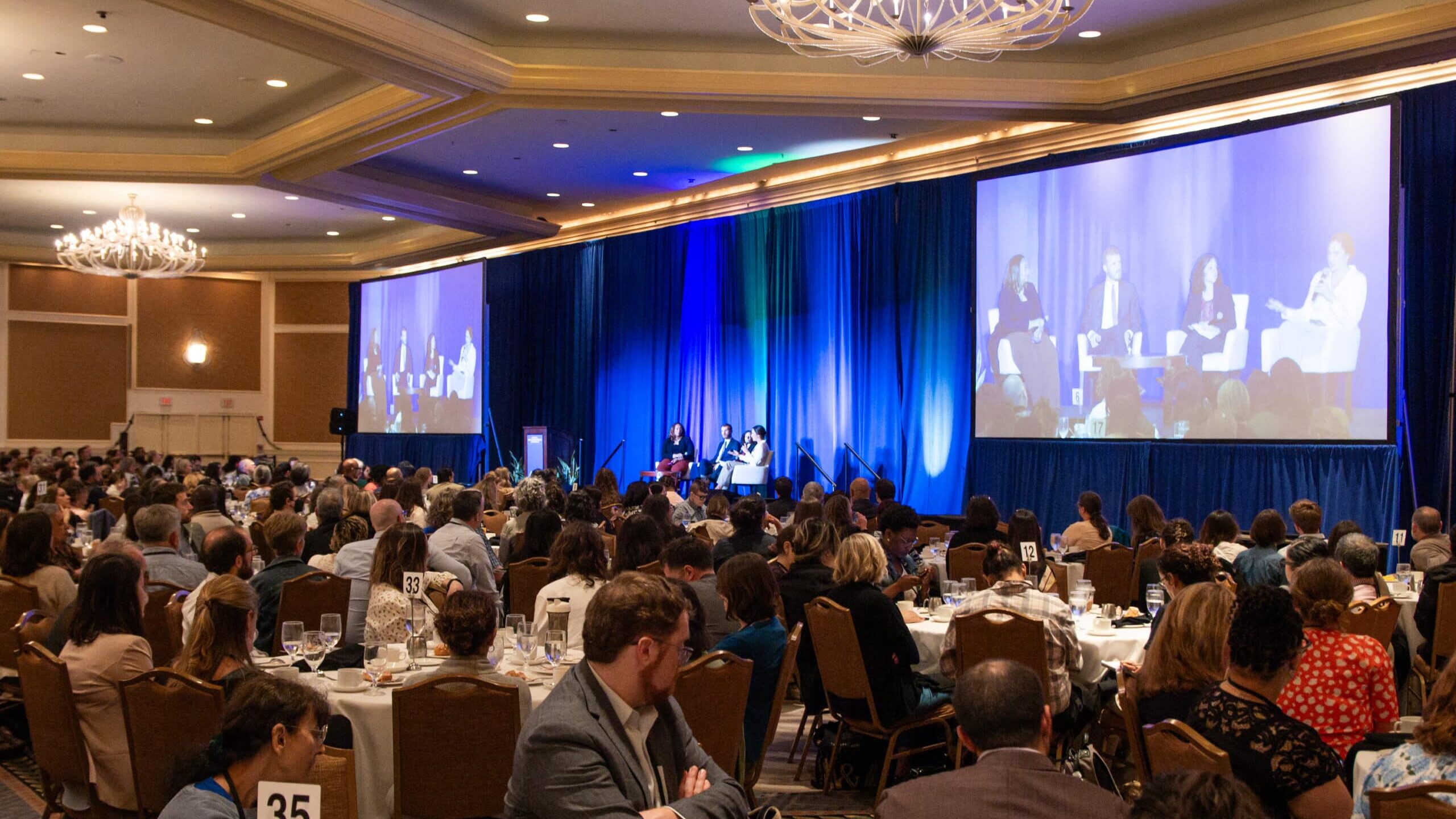
These conversations bring forth a genuine desire to explore efficient and intentional strategies that prioritize the needs of individuals, while ensuring that agency staff remain supported and effective in their roles. Participating in panel discussions at various conferences and engaging in follow-up dialogues with state agency leaders has opened my eyes to the interconnectedness of advocacy and policy change. It has been inspiring to witness how eager state agency workers are to find innovative ways to support families despite their overwhelming workload. These conversations bring forth a genuine desire to explore efficient and intentional strategies that prioritize the needs of individuals, while ensuring that agency staff remain supported and effective in their roles.
Building the Framework for Tomorrow’s Service Delivery Success
I have learned that advocacy for SNAP is not just about addressing the immediate needs of today but also about shaping a framework for the future. It’s essential that we continue these conversations and emphasize the need for collaboration between both lived experience advocates and state agencies in their development of tangible solutions.
My experience as a CIC member during CSNS cohort 2 has strengthened my resolve to be an active participant in the fight for food security. By sharing our stories and discussing practical solutions, we can not only create significant policy changes, but also inspire a more compassionate understanding of the value and impact of SNAP. Together, we can build a more accessible and effective nutrition landscape for all.
About the Author

Joshua Vaughn
Founder, Vaughn Signatures
Joshua Vaughn is the founder of Vaughn Signatures, a service-based business offering an array of services to individuals, businesses, and communities. His mission is to provide professional, reliable services while empowering individuals and strengthening communities.
As a consultant, Joshua helps individuals and organizations develop leadership and advocacy skills, bridging the gap between vision and action by translating strategic visions into actionable roadmaps, hands-on coaching, and accountable implementation. He designs tailored programs that combine leadership development, advocacy training, and organizational engagement to produce measurable results.
A passionate advocate for male engagement in family life, Joshua’s 3E Model, Equip, Educate, and Empower, guides his efforts to strengthen fatherhood and male engagement with community ties. Equip individuals and teams with practical tools and resources; educate them through targeted training and mentorship; and empower them to lead, serve, and sustain positive change within their communities.
Through Vaughn Signatures, he blends expertise with purpose, making every signature moment count, whether drafting a strategy, facilitating a workshop, or coaching leaders to deliver on promises and build resilient, connected communities.