
Written By: Zahava “Zee” Zaidoff (she, her), Captain Cook, HI
The Coordinating SNAP and Nutrition Supports (CSNS) program strengthens access to human services by aligning the Supplemental Nutrition Assistance Program (SNAP) with other nutrition supports. CSNS also works to center individuals with lived experience by giving them a voice through the Community Impact Council (CIC), which guides the funding of innovative projects. The blog post below is part of a series from APHSA that will share insights and stories from each team involved, highlighting the program’s impact on service delivery and community engagement.
Had you asked me to write this blog post two years ago detailing my approach to human services and community engagement, my response would’ve been, “I don’t have an approach. I’m a recipient of benefits.”
Luckily, that is no longer my answer today. Today, I am someone who has found both my voice and my value in the human services ecosystem.
Let me start at the beginning.
I saw a recruitment flier on social media to be part of the CSNS program as a member of the Community Impact Council and applied. I had never done any work in human services before except being pretty loud about what wasn’t working, when either myself or those in my community struggled. I had testified on bills before my state legislature and I was pretty civically active. But I had no idea there was a place for me at the human services table.
Getting to Work and Applying my Expertise
Fast forward several months later, I was one of six experts with lived experience of the Supplemental Nutrition Assistance Program (SNAP). I was reviewing requests for proposals (RFPs) from states and counties who were looking for grant money to make lives easier for SNAP recipients and the agency staff who administer the program. From streamlining internal processes to meeting recipients in their communities, the goal was to engage those with lived experience with SNAP to make the program more accessible.
I remember thinking something like, “I can’t believe I get to help choose who gets a portion of 3 million dollars. I can’t believe I get to help decide what projects will be funded and supported.”
Fast forward again. The four sites were chosen, and a few months later we all met in person: APHSA staff, Share Our Strength staff, members of the Community Impact Council, and representatives from the four grant-awarded sites—the same sites I helped select.
We separated into groups and began the creation of logic models. Each site had their own table and working area. Lived experience voices at EVERY table.
We talked to each other. We listened to each other. We gave advice and shared expertise with each other. I distinctly remember a few of the sites commenting that they wanted lived experts in their communities to be involved in their plans, the way we were involved in the CSNS program.
I watched a shift happen. It was palpable. People from the sites looked at each other and saw, really saw, the value that I brought to the table. That we, the experts with lived experience of food insecurity and lived experience navigating systems, brought to the design and preparation phases of a project. We weren’t the helpless citizens who couldn’t figure out how to feed our families, who were begging for benefits. We were experts with ideas, strategies, and innovative practices that would make systems better for all people. And then we were off and running! I reviewed logic models and gave feedback. And you know what? Changes happened based on our feedback. I reviewed quarterly reports and funding enhancement requests. We loved some parts of what the sites were doing and thought, um…nope, to other parts. We met in Zoom meetings; we met again in person; we were members of the team. Sites that struggled with community engagement asked for ideas and made changes. Sites that didn’t realize that lived experts should be in the room during tech-related meetings reached out to bring in those voices.
The Real Impact of This Work on My Journey
Staff at APHSA and Share Our Strength believed that lived experience voices were valuable. Now they got to both bear witness and experience it. Sites created their own processes to include those voices into their work.
We didn’t solve every problem that exists in the human services ecosystem. Not even close. But a difference was made and that difference was huge. Not only in the lives of those who directly benefit. Not only in the lives of those who worked to make it happen. Not only in the lives of the six Community Impact Council members, but in the lives of everyone who will be touched by the CSNS program.
How has participating in the CSNS program influenced my approach to human services and community engagement? Participating in this program showed me that there is a place at the table for me. And if no one gets me a chair, it’s my job to bring my own. Because I am an expert in this realm. And I am needed in this realm. And now that I have managed to find a seat for myself at the table, I will spend forever building chairs and bigger tables so that people like me are seen, communicated with, and compensated as the necessary and valuable members that we are.
About the Author
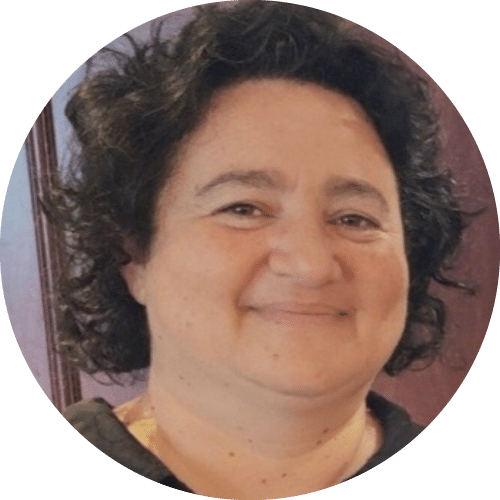
Zahava “Zee” Zaidoff (she, her)
Founder, Hope808
Speaker, Trainer, Writer
Zahava “Zee” Zaidoff is an advocate and parent who has been living in Hawaii County for the past ten years. She is the founder of Hope808 consulting firm, where she is a Speaker, Trainer, and Writer. Zee holds several certifications including: Masters Level Registered Addiction Specialist and Certified Co-Occurring Disorder Specialist. Working with the LGBTQIA+ community, fighting for disability rights, creating an equitable and just federal and state benefits system, and removing stigma from the behavioral health narratives are main focuses of Zee’s advocacy and education work. Zee believes that authentic conversations and sharing of life experiences is the critical and missing piece in our systems, and that lived expertise must be both outlouded and elevated if lasting change is to be attained.
Share this post on your social media accounts: