

Public Human Services Attorneys (PHSA) Education Conference
October 4-7, 2026 | Salt Lake City, UT | #PHSA2026
2026 REGISTRATION NOW OPEN!
2026 Agenda-at-a-Glance

*Please note that dates/times of sessions are tentative and subject to change.*
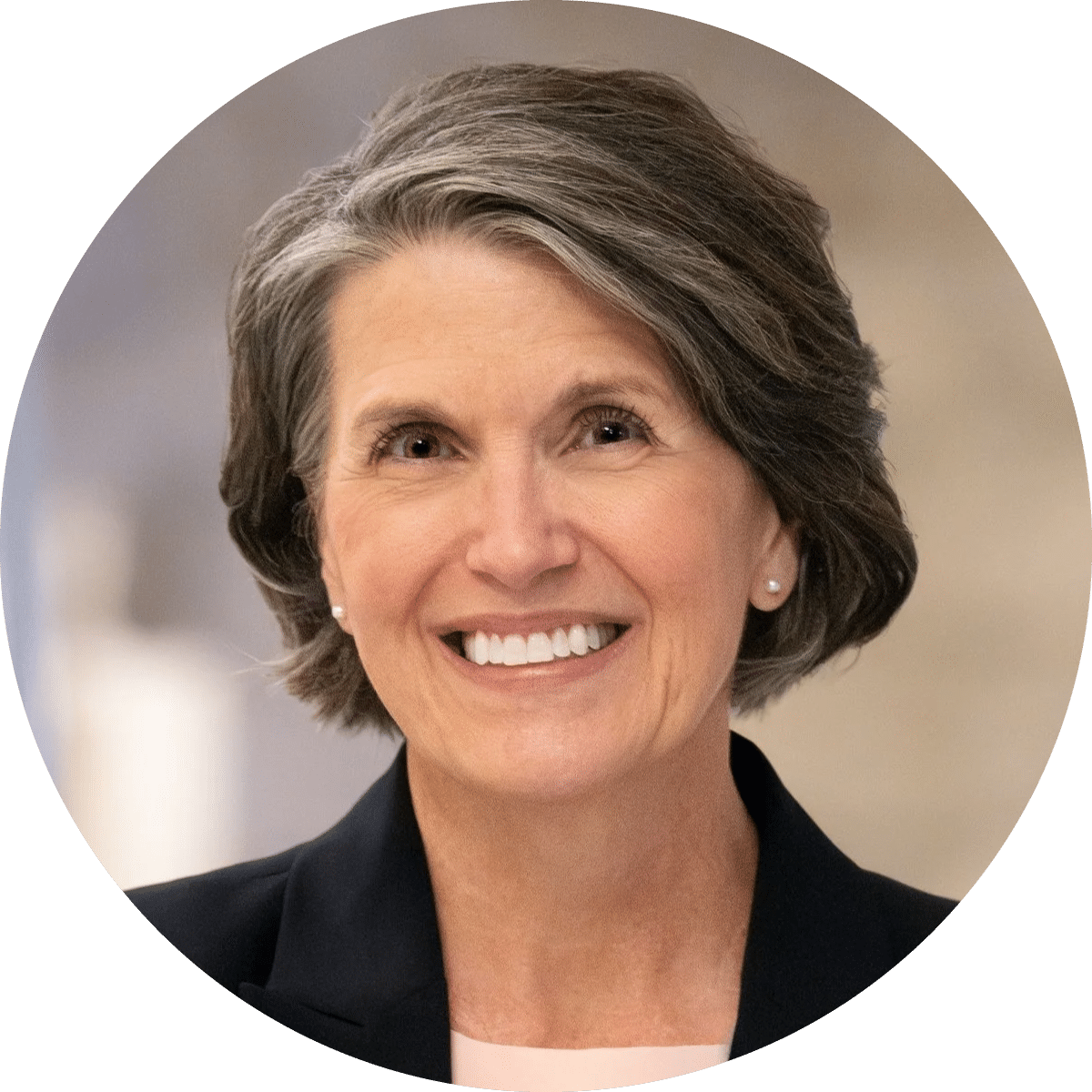
Tami Pyfer
Chief Impact Officer for UNITE, Co-creator of the Dignity Index
Monday, October 5 | 8:30am – Opening General Session Keynote
Leading with Dignity: Strengthening Human Services in a Time of Division
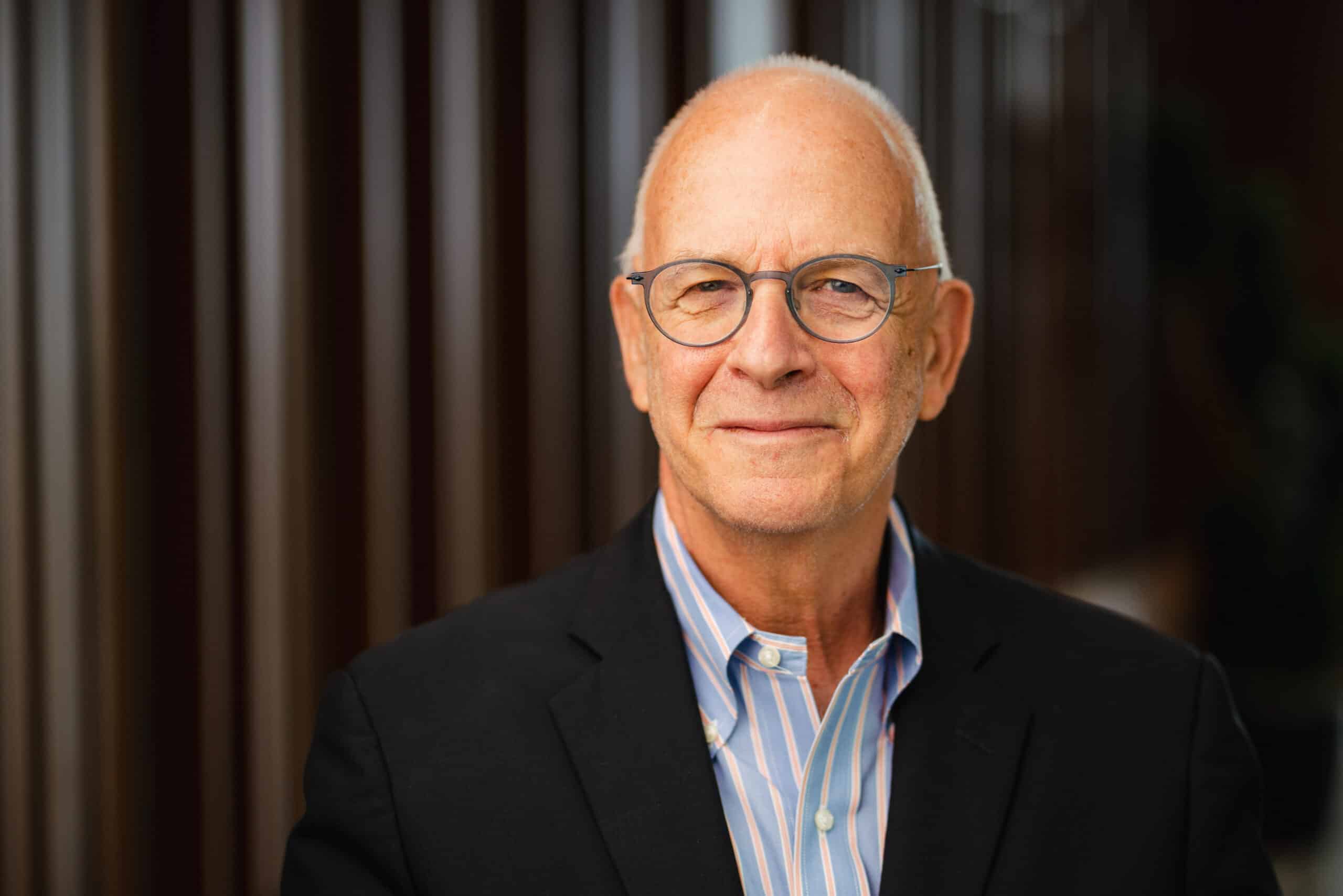
Professor Amos Guiora
S.J. Quinney College of Law, University of Utah
Monday, October 5 | 11:30am – Ethics Session
Criminalizing Enablers and Bystanders: Legal Accountability and Professional Responsibility

Professor Samuel Bagenstos
The University of Michigan Law School
Tuesday, October 6 | 10:30am
Advising the Agency: Legal Judgement, Risk, and the Lawyer’s Role
JUSTIFY YOUR ATTENDANCE
Download our justification letter and agenda at-a-glance to share with your supervisor to assist with approving travel and attendance to this year’s conference.